Sustainability
As stewards of the environment, we are committed to sustainable construction practices, using eco-friendly materials, energy-efficient systems, and responsible building methods to reduce our ecological footprint.
ESG Policy
Lincotrade is committed to embedding sustainability into the core of our business operations. Guided by our four key ESG focus areas:
We uphold ethical business conduct, transparent decision-making, and strict compliance to maintain stakeholder trust and corporate integrity.
We proactively manage climate-related risks through energy monitoring, GHG reporting, and sustainable design practices aligned with TCFD recommendations.
We minimize environmental impact by applying the principles of Reduce, Reuse, and Recycle, optimizing resource use, and continucusly improving our ISO 14001:2015 Environmental Management System.
We prioritize employee safety, health, and development through our EHS management system, promoting diversity, inclusion, and continuous learning to build a strong, skilled workforce.
- Materials
Sustainable & Low-Emission Materials
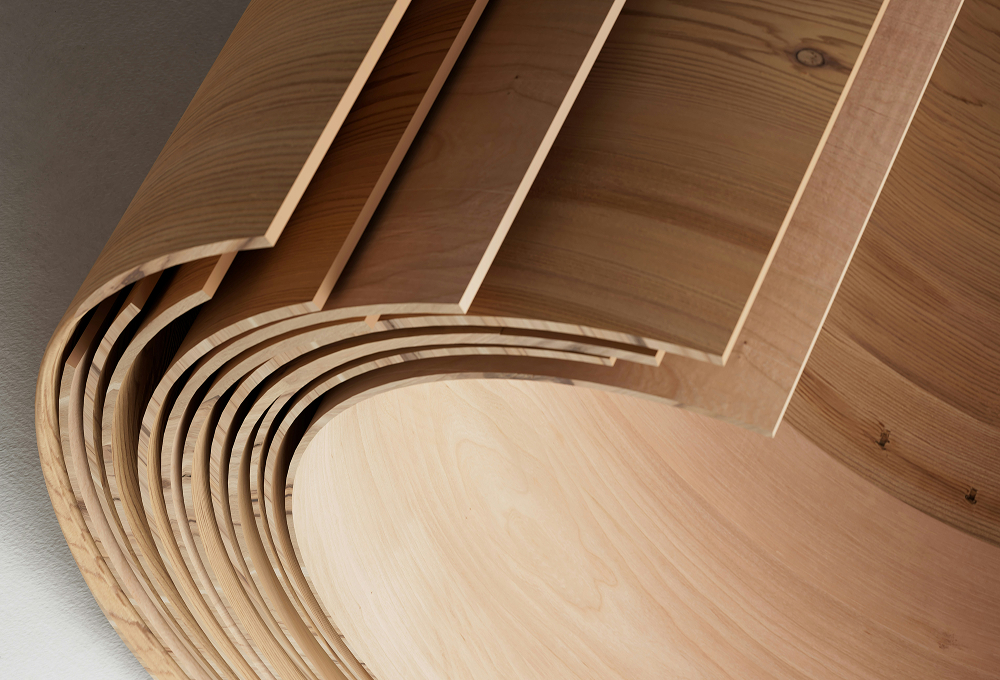
E0 Grade Plywood
The European standard for E0 grade plywood signifies the lowest possible formaldehyde emissions, meeting stringent environmental standards. Plywood labeled as E0 grade emits extremely low levels of formaldehyde, typically at 0.5mg/L or less, making it ideal for indoor use in environments where air quality is a priority, such as homes, schools, and healthcare facilities.
3000 Eco-Friendly Contact Adhesive
A quality synthetic rubber. Super strong, flexible, water – proof and chemical resistant. Will bond to natural surfaces like wood and rubber. Will also adhere to artificial leathers, rubberized fabrics, glassy metals, ceramics, hardboards, linoleum, rigid plastics & concrete.
Formaldehyde is a common indoor air pollutant found in virtually all renovated spaces and buildings. It is a colorless gas with a pungent odor, and at elevated levels is highly irritating to the eyes, nose, and lungs.
Since 2004, formaldehyde has been recognized as a known human carcinogen. Formaldehyde is released from many indoor sources, including plywood, particleboard, and other pressed wood products used in construction and furnishings, and many consumer products.
- Certification
Certified for Quality and Compliance
Our certifications reflect our commitment to quality, safety, and environmental responsibility across every project we deliver.
- Laminate
- Ceiling Panel
- Gypsum Board
- Rockwool
- Vinyl Floor
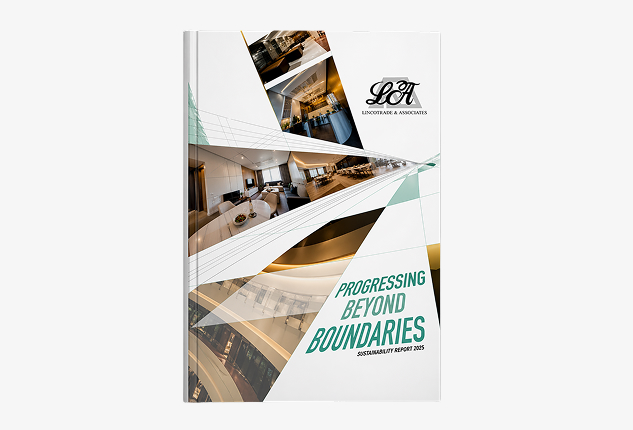
Sustainability Report 2025
Download the full report to view our ESG strategy and key initiatives.